Here we are!
 Call us! 48569248
 Hours 9:00 to 17:30 from Monday to Friday

What is DTF textile printing and how does it work?
DTF (Direct To Film) printing allows you to transfer designs onto fabrics using heat and a special film. It is a versatile and cost-effective alternative to DTG, screen printing, and sublimation, and is compatible with various types of fabric.
Our products
-
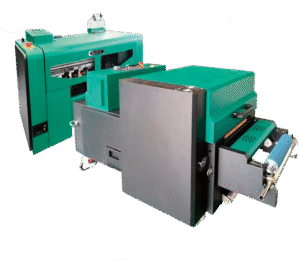
 6 cabezales Epson I3200Max width: 600mmSpeed: 36 m2/hMedia: Pet film 600Request a quote
 -
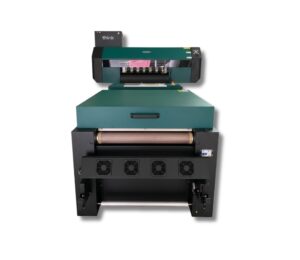 4 cabezales Epson I3200Max width: 600mmSpeed: 20 m2/hMedia: Pet Film 620mmRequest a quote
 -
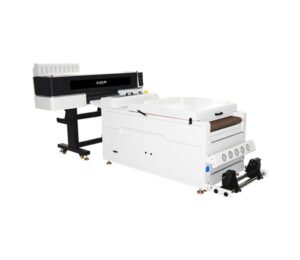 2 Epson I3200 printheadsMax width: 600mmSpeed: 9 m2/hMedia: Pet Film 620mmRequest a quote
 -
4 cabezales Epson I3200Max width: 600mmSpeed: 23 m2/hMedia: Pet Film 620mmRequest a quote
-
2 Epson I3200 printheadsMax width: 600mmSpeed: 10 m2/hMedia: Pet Film 620mmRequest a quote